
Short answer: how to beat jet lag flying to Thailand? Switch to Thai time as soon as you board, get daylight in the morning once you land, keep naps short, drink water steadily and go easy on alcohol and late caffeine. Most people adjust within a few days. Nothing resets your body clock instantly, but these habits help it catch up faster.
Most of our guests in Khao Lak arrive after a long-haul flight, often with a connection and a drive on top. This guide sets out what actually helps, based on advice from the UK’s NHS and the US Centers for Disease Control and Prevention (CDC), with a few practical notes for your first day by the Andaman Sea.
Why jet lag from Europe to Thailand hits hard
Thailand doesn’t change its clocks, so the gap depends on the time of year at home. From the UK, Thailand is six hours ahead during British Summer Time and seven hours ahead in winter. From Germany and Scandinavia it is five hours ahead in summer and six in winter.
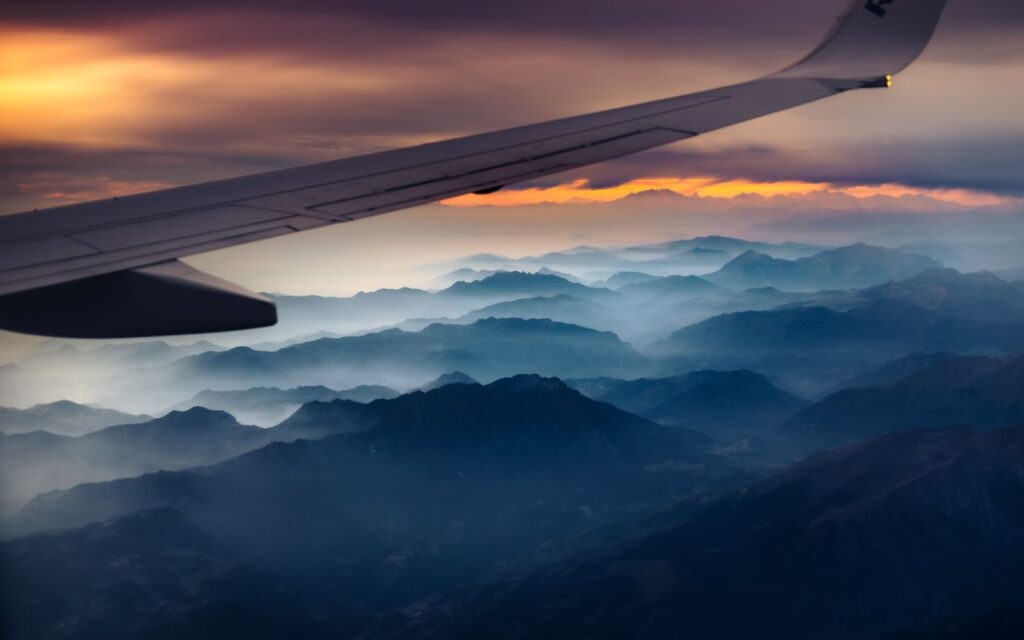
Flying east is the harder direction. The CDC Yellow Book chapter on jet lag explains that the body clock finds it easier to shift later than earlier, adapting by roughly an hour a day after eastward flights compared with about an hour and a half after westward ones. So jet lag from Europe to Thailand can take several days to settle, and the first nights are often the worst: wide awake at 2am, then struggling to wake in the morning.
Travellers from Australia usually have it easier. The time difference is smaller, and the flight goes west, which the body clock handles more readily.
Before you fly
The NHS advice on jet lag recommends getting plenty of rest before you travel and starting to adjust your routine towards your destination’s time zone. For an eastward trip, that means:
- Going to bed and getting up a little earlier for a few days before you leave, if your life allows it
- Avoiding a sleepless night of packing or a big leaving party just before the flight
- Choosing a flight that lands in the morning or early afternoon, if you have the choice, so your first day in Thailand starts with daylight
On the plane
- Set your watch and phone to Thai time when you board, and try to sleep when it is night in Thailand
- Use an eye mask and earplugs to make sleep easier
- Drink water regularly. Cabin air is dry, and the NHS advises drinking plenty of water during the flight
- Keep alcohol and caffeine modest. The NHS notes that too much of either can make jet lag worse
- Get up and walk around when you safely can, and stretch your legs in your seat
Use daylight to reset your body clock
Light is the strongest signal your body clock responds to. The NHS says going outside during the day helps your body clock adjust. The CDC adds that after flying east, bright light in the morning helps, while bright light late in the evening can work against you.
In Khao Lak, that is easy to put into practice: a morning walk along the beach, breakfast outside, or a coffee on your balcony. Two cautions apply. Tropical sun is strong even early in the day, so use sunscreen, a hat and shade. And in the evening, dim the lights in your room and put your phone down well before bed.
Sleep timing and naps
The hardest rule is the most useful one: live on Thai time from day one. Eat meals at local times and go to bed at a normal local bedtime, even if you don’t feel tired.
- Keep naps short. The CDC suggests limiting naps to 20–30 minutes. A long afternoon sleep makes it much harder to sleep at night.
- Set an alarm. If you do lie down by the pool, set a timer so a short nap doesn’t become three hours.
- Make your room sleep-friendly. Close the curtains, keep the air-conditioning at a comfortable temperature and use earplugs if your room faces a busy road.
- Don’t panic at 3am. Waking in the night is normal for the first few days. Rest quietly in the dark rather than reaching for your phone.
Caffeine, alcohol and hydration in the heat
Caffeine can help you stay awake through your first Thai afternoon. The CDC suggests using it during the day and stopping about six hours before bed, so it doesn’t spoil the night’s sleep.
Alcohol may make you sleepy at first, but the CDC notes that it lowers sleep quality. A welcome cocktail is fine; several are likely to make the next morning harder.
Hydration matters more here than at home. You arrive after hours of dry cabin air into tropical heat and humidity. Dehydration and jet lag share symptoms, such as headache, tiredness and poor concentration, so keeping up with fluids can make your first day noticeably easier. Carry water, drink regularly and stay in the shade in the middle of the day.
Melatonin and sleeping tablets
Melatonin is a hormone your body makes in the evening to signal night-time. The advice on taking it for jet lag differs between countries:
- The NHS says melatonin tablets are not recommended on the NHS for jet lag, because there isn’t enough evidence that they work.
- The CDC says small doses, taken at the right time, can help shift the body clock after eastward travel. It also notes that in the US melatonin is sold as a supplement and is not regulated by the Food and Drug Administration, so products may not contain what the label says.
Melatonin is treated as a medicine in some countries, including the UK, where it is prescription-only, and the rules differ elsewhere. If you are thinking of using it, ask a pharmacist or doctor before you travel, especially if you take other medicines, are pregnant or have a long-term health condition. The same applies to sleeping tablets: the NHS notes they are sometimes used for a short time for severe sleeplessness, but they carry risks and should only be taken on medical advice.
Jet lag in Khao Lak: a simple plan for your first day
If you land in the morning, a first day in Khao Lak with jet lag might look like this:
- Check in, shower and have a light meal at the local mealtime.
- Spend some time outside in daylight, in the shade if it is hot.
- If you must nap, keep it to 20–30 minutes and set an alarm.
- Take a gentle swim or an easy walk in the late afternoon, when the heat eases.
- Eat dinner at a normal local time, keep drinks moderate and stop caffeine well before bed.
- Go to bed at a normal Thai bedtime in a dark, cool room.
Save the early boat trips, long hikes and big nights out for day two or three, once you are sleeping better.
Where an IV drip fits in
An IV drip is an optional extra, not the answer to jet lag. It can’t move your body clock: only time, light and routine do that. What it may do is help you feel rehydrated faster if the journey and the heat have left you drained, and some people find that makes the first day easier to get through. Light, sleep timing and drinking well come first.
When to see a doctor
Jet lag itself is not dangerous, but some symptoms after a long flight are not jet lag. Call 1669 or go to hospital straight away if you have chest pain or sudden breathlessness. See a doctor promptly if you have pain, swelling or warmth in one leg, which can be a sign of a blood clot after a long flight. Also see a doctor if you are still sleeping very badly after a week or two, or if you are pregnant, have a heart or kidney condition, or take regular medication and want advice on sleep aids.
FAQs: jet lag and Thailand
How long does jet lag last after flying to Thailand?
The NHS says jet lag usually improves within a few days as your body adjusts. After an eastward flight from Europe, it is common for sleep to feel unsettled for several nights. Daylight, regular mealtimes and short naps help.
Should I stay awake all day when I arrive?
Try to stay up until a normal local bedtime, but don’t force yourself through total exhaustion. A short nap of 20–30 minutes is fine. Long daytime sleeps are what make the next night difficult.
Is jet lag worse flying home?
For most Europeans, flying home is the easier direction, because it is westward. The CDC notes that the body clock adapts more quickly after westward travel.
Can I buy melatonin in Thailand?
Rules on melatonin vary by country, and it is treated as a medicine in some. Ask a pharmacist or doctor rather than relying on what is sold online, and check that it is suitable for you alongside any other medicines.
Settle in gently
If you would like some help feeling human again after the journey, read about our jet lag IV drip in Khao Lak. A registered nurse comes to your room, screens you first, uses sterile, single-use equipment and stays with you throughout.
- WhatsApp +66 00 000 0000
- LINE @ivdripkhaolak
- Call +66 00 000 0000
- Email hello@ivdripkhaolak.com
- Hours Daily 08:00 – 22:00
Photo by Maria Orlova on Pexels