Short answer: how to stay hydrated on a Similan liveaboard comes down to steady habits. Sip water all day rather than gulping it before a dive, add oral rehydration salts or an isotonic drink after heavy sweating or sea-sickness, keep alcohol and strong coffee modest, and stay in the shade between dives. And if you feel unwell after a dive, never assume it is “just dehydration”: tell the crew straight away.
Khao Lak is the jumping-off point for most Similan Islands trips, so we meet a lot of divers before and after their time at sea. This guide is about the boat days themselves: what dries you out on a liveaboard or a long day trip, how to keep up with it, and which symptoms need urgent help rather than another bottle of water.
Why a Similan trip dries you out
Mu Ko Similan National Park is open to visitors from 15 October to 15 May and closes during the south-west monsoon, according to Thai National Parks’ guide to the Similan Islands. That means the diving season falls in the drier, sunnier part of the year. The same guide says the main pier, Thap Lamu, lies about 20 km south of Khao Lak and around 65 km from the main islands, so even a day trip involves a long boat ride in open sun.
On a liveaboard, those conditions repeat for several days. Fluid slips away in ways that are easy to miss:
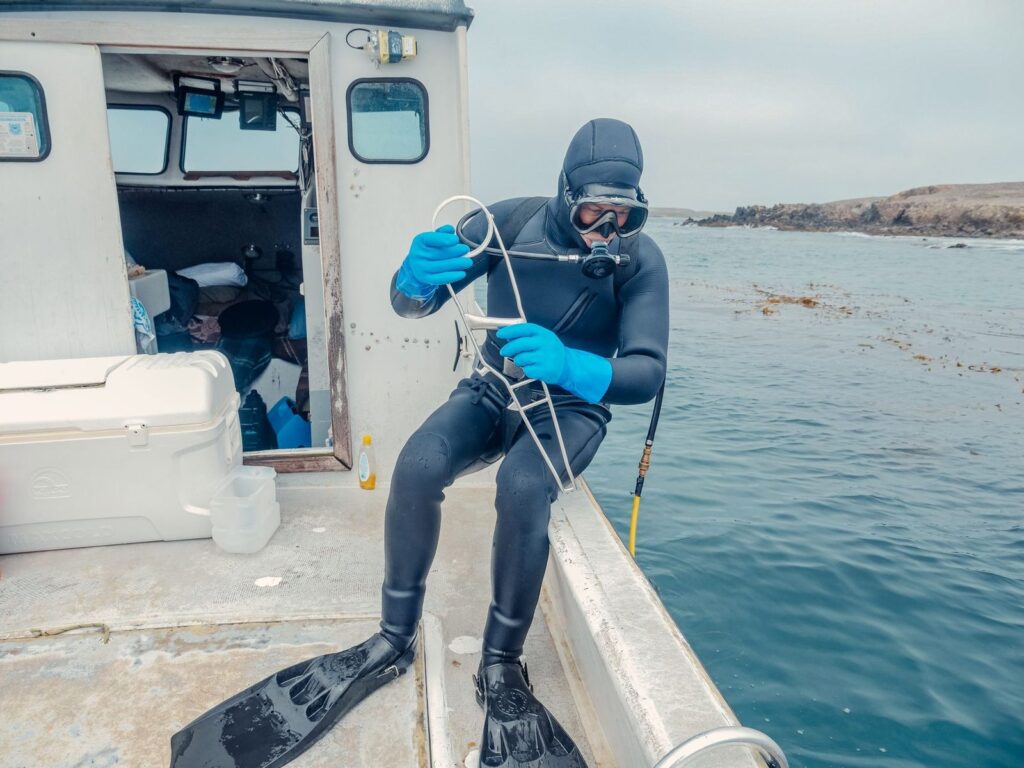
- Sweat on deck. Kitting up in a wetsuit under a tropical sun makes you sweat, and a sea breeze dries it so fast you may not notice.
- Being in the water. DAN Europe explains in its hydration advice for divers that pressure and cooler water shift blood towards the core, and the kidneys respond by making more urine. That is why many divers need the toilet soon after surfacing.
- Dry breathing gas. The air in your cylinder contains very little moisture, so every breath on a dive takes a little water from you.
- Short nights and early starts. Liveaboard schedules often begin at first light. Tired divers tend to forget to drink.
- Sea-sickness. Vomiting loses fluid and salts quickly, and nausea puts you off drinking.
How to stay hydrated on a Similan liveaboard: a simple routine
These Similan liveaboard tips on dehydration follow DAN Europe’s general guidance. They work just as well for a day trip.
Before you board
- Start the trip already well hydrated. Drink normally through the day before departure and keep the farewell drinks in Khao Lak modest.
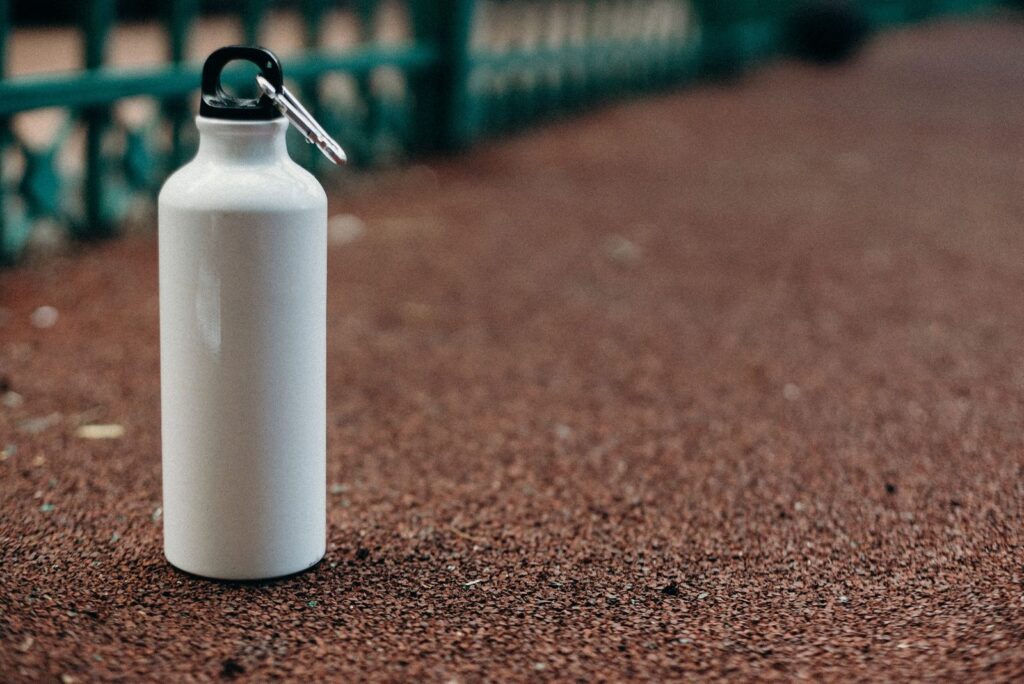
- Pack a refillable bottle, a few sachets of oral rehydration salts from a pharmacy, a hat, sunglasses and a long-sleeved rash guard.
- If you are prone to sea-sickness, sort out a plan before the trip (see below), not once the boat is already rolling.
On board, between dives
- Sip little and often. DAN Europe suggests a glass of water every 15–20 minutes rather than a litre in one go just before or after a dive.
- Keep your bottle where you kit up, so drinking becomes part of the routine.
- Peel your wetsuit down and sit in the shade during surface intervals.
- Eat the snacks and meals on offer. Fruit, soup and rice dishes all add fluid and salt.
- Check your urine. Pale yellow is a good sign; dark yellow means you need to drink more.
In the evening
The sunset beer after the last dive is part of liveaboard life. Just remember that you will be diving again in the morning. Alternate alcoholic drinks with water, stop early, and have a glass of water before bed. If the cabin is hot, keep a bottle within reach overnight.
Alcohol, caffeine and electrolytes
Alcohol and caffeine. DAN Europe notes that both alcohol and caffeinated drinks increase urine output. You don’t need to give up coffee on the boat, but one or two cups with plenty of water in between is wiser than coffee as your only drink. A hangover on a dive morning is a poor start, both for hydration and for clear thinking underwater.
Electrolytes. Plain water is the base, but if you sweat heavily or have been sick, DAN Europe says oral rehydration salts or isotonic sports drinks can also be considered, because they replace salts as well as water. Mix rehydration sachets exactly as the packet says.
Don’t overdo it. More is not always better. Drinking very large amounts quickly mostly sends you to the toilet, and drinking far too much plain water carries its own risks. Steady sipping wins.
Sea-sickness on a liveaboard
Sea-sickness is one of the quickest routes to dehydration at sea. DAN’s article on sea-sickness prevention and treatment explains that vomiting causes dehydration, which adds to fatigue and to the risk of decompression illness, so it is better to act before you feel ill.
- Speak to a pharmacist or doctor before the trip about options suitable for divers. Many sea-sickness medicines cause drowsiness, and DAN suggests trying any medicine on a non-diving day first.
- On board, stay on deck in fresh air, look at the horizon and avoid reading or screens while the boat is moving.
- If you have been sick, take small, frequent sips of water or rehydration drink rather than large gulps.
- If you keep vomiting, tell the dive guide. Skipping a dive is far better than diving while dehydrated and drained.
Diving dehydration symptoms, and when it could be something else
Common signs of dehydration include thirst, a headache, feeling light-headed, tiredness and dark, strong-smelling urine, as described in the NHS guide to dehydration. On a boat, these usually settle with shade, rest and fluids.
The trouble is that some diving dehydration symptoms overlap with decompression illness (DCI). DAN’s page on decompression illness and its treatment lists signs such as joint or muscle pain, numbness or tingling, weakness, skin itching or a rash, dizziness, shortness of breath and confusion. DAN says these usually appear within 15 minutes to 12 hours of surfacing, though they can come later. It also warns that mild symptoms are often blamed on something else, such as heavy lifting or a tight wetsuit.
If you or your buddy have any of these symptoms after a dive, treat it as an emergency:
- Tell the crew or dive guide straight away. Don’t wait to see if it passes.
- Let trained staff give emergency oxygen. DAN advises continuing oxygen until medical professionals take over.
- Call 1669 for emergency medical help in Thailand, or ask the crew to arrange it.
- Contact DAN or a doctor trained in dive medicine. DAN says to do this even if symptoms seem to have gone.
Drinking water is fine if you are alert, but it is not the treatment for DCI, and neither is an IV drip. Specialist care for divers is arranged by doctors.
Where IV drips fit in, and where they don’t
This guide is about staying hydrated at sea. Our nurses visit hotels, villas and homes on land in Khao Lak, not boats, so any drip happens before you leave or after you are back. Questions about timing, such as how long to wait between a drip and a dive, or whether a drip affects your fitness to dive, are covered in our separate guide: can you dive after an IV drip?
Some divers like to rehydrate in their room after a liveaboard, once they are back in Khao Lak and feeling tired and sun-worn. A drip may help you feel rehydrated faster, but it does not replace drinking well on board, and it is never a fix for symptoms that could be DCI. The nurse screens you first and will not start a drip if anything suggests a diving injury.
When to see a doctor
Get medical help, or call 1669 in an emergency, if:
- You have any possible sign of decompression illness after diving, even a mild one
- You can’t keep fluids down because of repeated vomiting
- You feel confused, faint, or have hot skin that has stopped sweating
- You have chest pain or trouble breathing
- You are pregnant, have a heart or kidney condition, or take regular medication and are unsure how diving and fluids affect you
FAQs: hydration on a Similan trip
How much water should I drink on a liveaboard?
DAN Europe suggests drinking at least 2 litres more than usual each day on a diving holiday, spread out through the day. Your needs depend on the heat, your size and how much you sweat, so let your urine colour guide you.
Is a day trip to the Similans less dehydrating than a liveaboard?
It is shorter, but still a long day in the sun with a long boat ride each way. The same habits apply: start well hydrated, sip all day and use shade between dives.
Should I bring rehydration salts?
A few sachets are a sensible addition to your kit bag, especially if you sweat a lot or get sea-sick. They are widely sold in pharmacies. Use them alongside water, mixed as the packet says.
Can I have an IV drip on the boat?
No. Our nurses only visit on land in Khao Lak. If you want a drip, it needs to be before you board or after you return. Our guide on diving after an IV drip explains what to think about.
Back on land in Khao Lak
If you are back from the Similans or Surin and want to rehydrate quietly in your room, read about our dive recovery IV drip in Khao Lak. A registered nurse screens you before every drip, uses sterile, single-use equipment and stays with you until it is finished.
- WhatsApp +66 00 000 0000
- LINE @ivdripkhaolak
- Call +66 00 000 0000
- Email hello@ivdripkhaolak.com
- Hours Daily 08:00 – 22:00
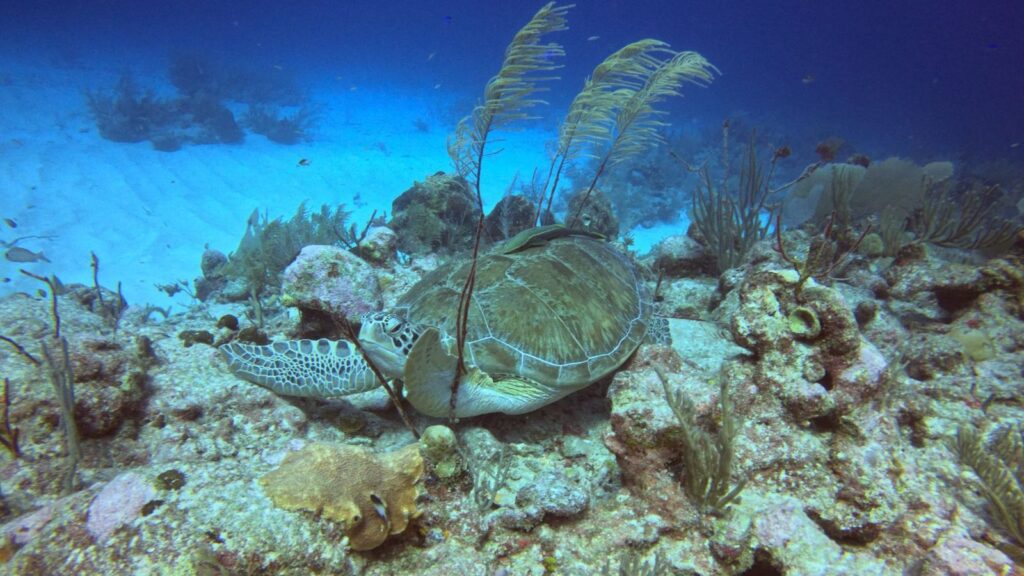
Photo by Maahid Photos on Pexels