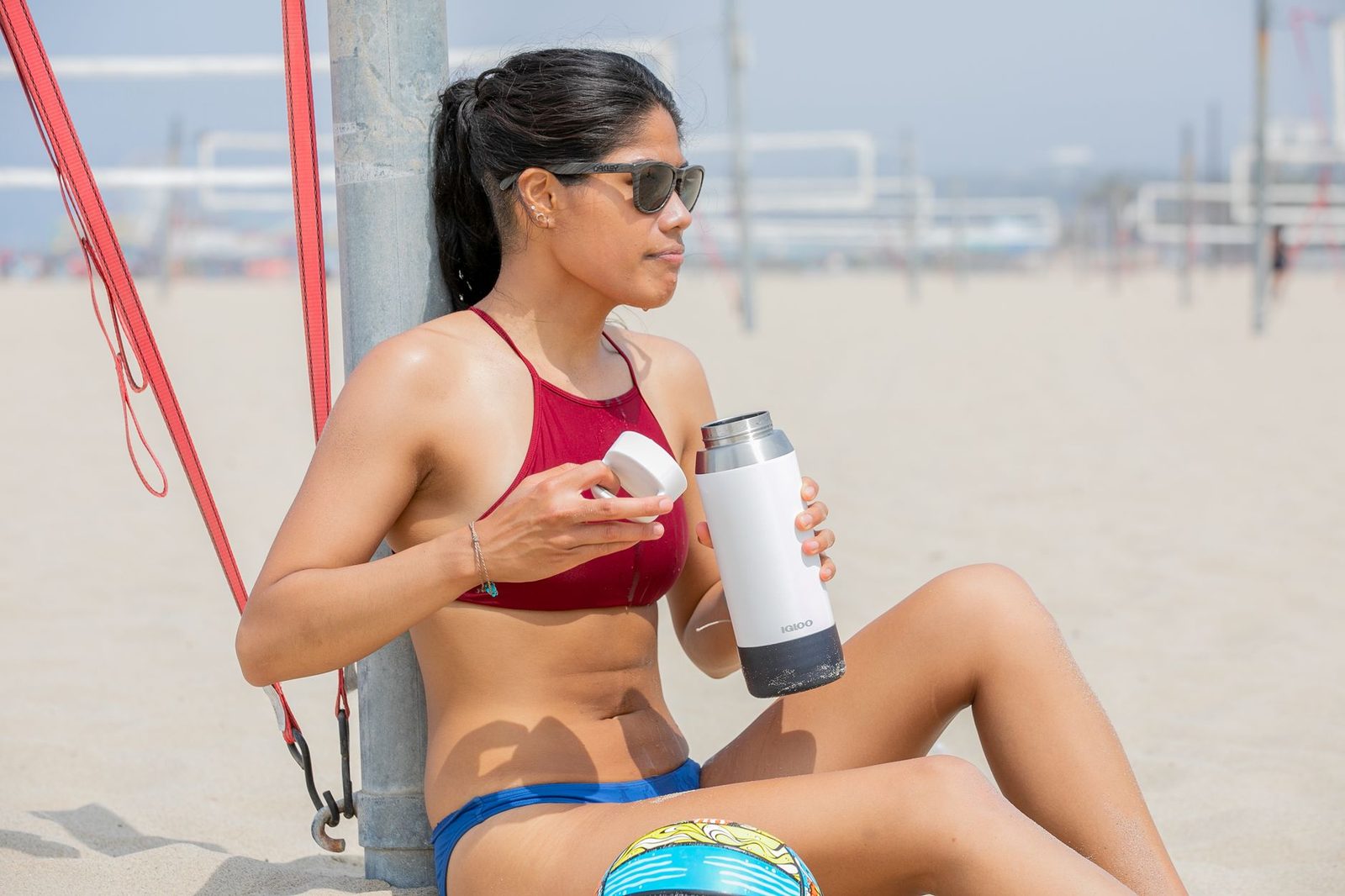
Short answer: dehydration and heat exhaustion in Khao Lak are common and usually manageable if you act early. Move to somewhere cool, drink water or a rehydration drink, and cool the skin. Most people feel better within about 30 minutes. If someone doesn’t improve, or becomes confused, stops sweating or collapses, that may be heatstroke: call 1669 straight away.
This guide goes beyond the basics. It explains why the heat here catches visitors out, how to plan a holiday day so it doesn’t happen, and exactly what to do, step by step, if someone in your group starts to struggle.
Why the Khao Lak heat catches people out
Khao Lak weather is hot and humid for most of the year. Several things combine to make heat more of a problem than visitors expect:
- Humidity. Your body cools itself as sweat evaporates. In humid air, sweat evaporates less well, so you can sweat heavily and still stay hot.
- The sea breeze. A breeze on the beach feels cooling and dries sweat quickly, so you may not notice how much fluid you are losing.
- Arrival fatigue. Many guests arrive tired and slightly dehydrated after a long flight, then head straight for the pool.
- Holiday habits. Long beach days, boat trips, waterfall walks, motorbike rides, sunburn and an extra drink or two all add up.
The NHS guide to heat exhaustion and heatstroke says children, older people and people with long-term health conditions, such as diabetes or heart problems, are at higher risk. Keep a closer eye on them.
Dehydration, heat exhaustion and heatstroke: the difference
These three are related but not the same. Knowing which one you are dealing with tells you what to do.
| Condition | Typical signs | What to do |
|---|---|---|
| Dehydration | Thirst, headache, light-headedness, tiredness, dark and strong-smelling urine | Drink fluids, rest in the shade, consider a rehydration drink |
| Heat exhaustion | Heavy sweating, pale and clammy skin, dizziness, nausea or vomiting, cramps, a high temperature | Cool down and rehydrate now (see first aid below) |
| Heatstroke | Very high temperature, hot skin that may stop sweating, fast heartbeat or breathing, confusion, seizures, collapse | Emergency: call 1669 and keep cooling |
The signs of dehydration on holiday follow the NHS guide to dehydration; the heat exhaustion and heatstroke signs follow the NHS heat guide linked above.
How to avoid heat exhaustion on holiday
Plan your day around the midday sun
The NHS advises staying out of the sun between 11am and 3pm when it is hot. On holiday, that is easier than it sounds. Do your walking, snorkelling and sightseeing in the morning or late afternoon, and use the middle of the day for lunch in the shade, a rest in your room or a swim with shade nearby. Avoid hard exercise in the hottest hours.
Drink before you feel thirsty
- Carry water whenever you leave the hotel, and refill it often
- Drink more when you are active or sweating heavily
- After a lot of sweating, or a bout of diarrhoea, a rehydration powder from a pharmacy replaces salts as well as water
- Check your urine: pale yellow is the goal
- Go easy on alcohol, especially in the sun. Alternate drinks with water
Dress for the heat and protect your skin
Loose, light-coloured clothing, a wide-brimmed hat and sunglasses make a real difference. Sunburn adds to fluid loss and makes you feel worse, so use sunscreen and reapply it after swimming.
Give yourself time to adjust
Take the first couple of days gently, particularly if you have come from a European winter. Build up activity gradually, and save long hikes or full-day boat trips until you feel used to the climate.
Keep your room cool
Close the curtains during the day, use the air-conditioning or a fan, and sleep somewhere cool. A good night’s sleep helps you cope with the next day’s heat.
Check your medicines
Some medicines, such as diuretics (“water tablets”), increase fluid loss, and the NHS lists them as a cause of dehydration. If you take regular medication, ask a pharmacist or doctor how to manage it in hot weather. Don’t stop any medicine without medical advice.
First aid for heat exhaustion, step by step
If someone shows signs of heat exhaustion, follow these steps, which are based on NHS guidance:
- Move them somewhere cool. An air-conditioned room is ideal; deep shade will do.
- Remove unnecessary clothing, such as a jacket, a wetsuit or socks.
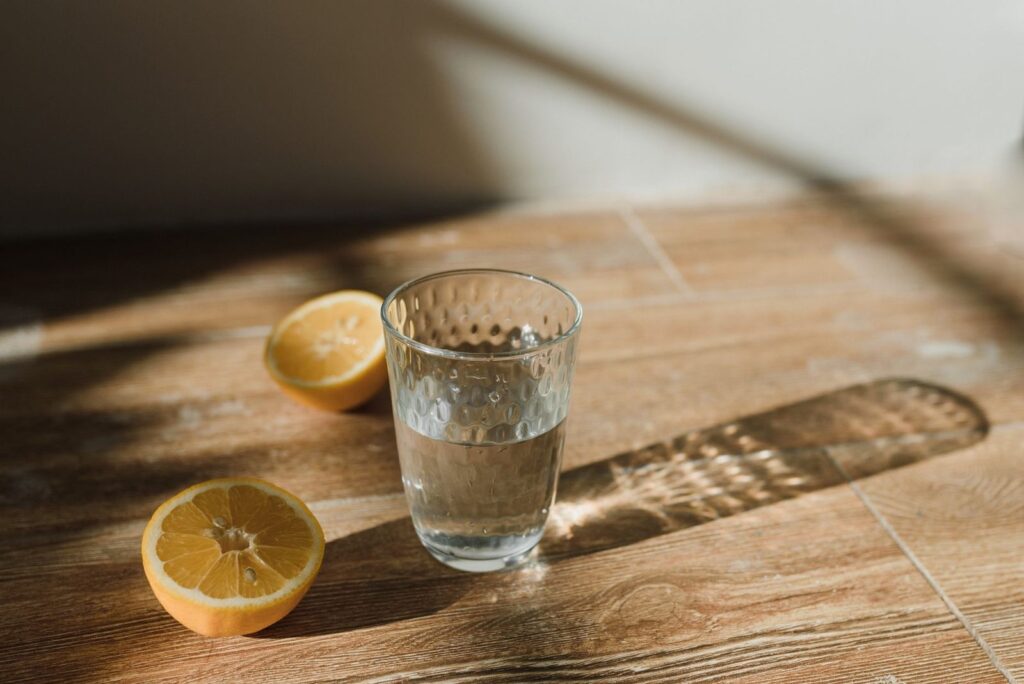
- Give them plenty to drink. Water is fine; a sports drink or rehydration drink also helps. Let them sip if they feel sick.
- Cool their skin. Spray or sponge them with cool water and fan them. Cold packs wrapped in a cloth under the armpits or on the neck can help too.
- Stay with them. The NHS says they should start to cool down and feel better within 30 minutes.
Once they feel better, they should rest for the remainder of the day, keep drinking and stay out of the sun. Avoid alcohol that evening. If they have been sick or had diarrhoea, a rehydration drink is a good idea.
Heatstroke is an emergency: call 1669
Call 1669, Thailand’s emergency medical number, or get to the nearest hospital straight away if someone:
- Is no better after 30 minutes of cooling and drinking
- Has a very high temperature or hot skin that has stopped sweating
- Is confused, very drowsy or not making sense
- Has a seizure, collapses or becomes unresponsive
While you wait, keep cooling them with water and a fan. Don’t try to make them drink if they are not fully awake. If they are unconscious but breathing, lay them on their side. Hotel reception staff can usually tell you which hospital is nearest and help with directions, so it is worth asking when you check in.
Where a hydration drip fits in
A drip is never the first step. Cooling down and drinking come first, and heatstroke needs emergency care. But if you have recovered from a mild episode and still feel drained the next day, or have struggled to keep up with fluids, a hydration drip may help you feel rehydrated faster. The nurse screens you first and will call for emergency help rather than start a drip if anything suggests heatstroke.
When to see a doctor
See a doctor, or call 1669 in an emergency, if:
- Any of the heatstroke signs above appear
- A baby, young child or older person seems unusually drowsy, floppy or isn’t drinking
- Someone has pale, grey, blue or blotchy skin, or is breathing fast
- You feel dizzy when you stand, or are passing very little urine, despite drinking
- You are pregnant, have a heart or kidney condition, or take regular medication, and feel unwell in the heat
FAQs: heat and dehydration in Khao Lak
When is it hottest in Khao Lak?
It is warm and humid all year, so heat precautions are worth taking whenever you visit. On any given day, the hours around midday are the time to be most careful.
Is it safe to keep swimming if I feel hot and dizzy?
No. Feeling dizzy in or near water is a risk in itself. Get out, sit in the shade, drink and cool down. Only go back in once you feel completely well.
Are rehydration drinks better than water?
For everyday drinking, water is fine. After heavy sweating, vomiting or diarrhoea, a rehydration powder mixed with water also replaces lost salts. Pharmacies sell them, and the pharmacist can advise.
Can a drip help with heatstroke?
Heatstroke needs emergency hospital care, not a home visit. Call 1669 and keep cooling the person until help arrives.
Need help rehydrating?
If the heat has left you drained and you have no warning signs, read about our hydration IV drip in Khao Lak. A registered nurse comes to your hotel, villa or home, screens you first, uses sterile, single-use equipment and stays with you until the drip is finished.
- WhatsApp +66 00 000 0000
- LINE @ivdripkhaolak
- Call +66 00 000 0000
- Email hello@ivdripkhaolak.com
- Hours Daily 08:00 – 22:00
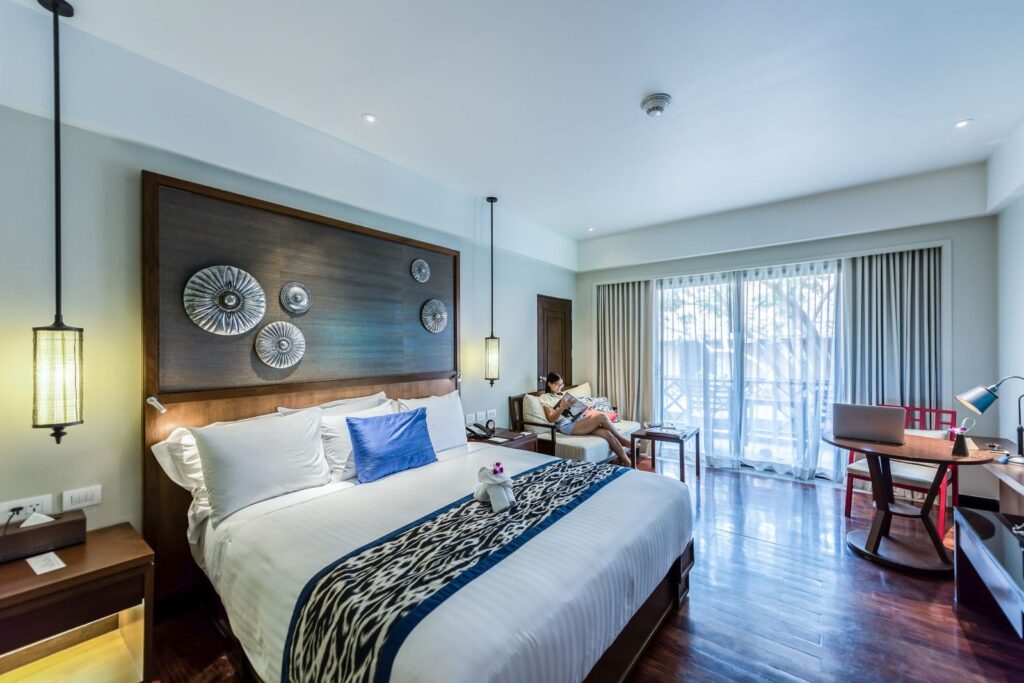
Photo by RDNE Stock project on Pexels