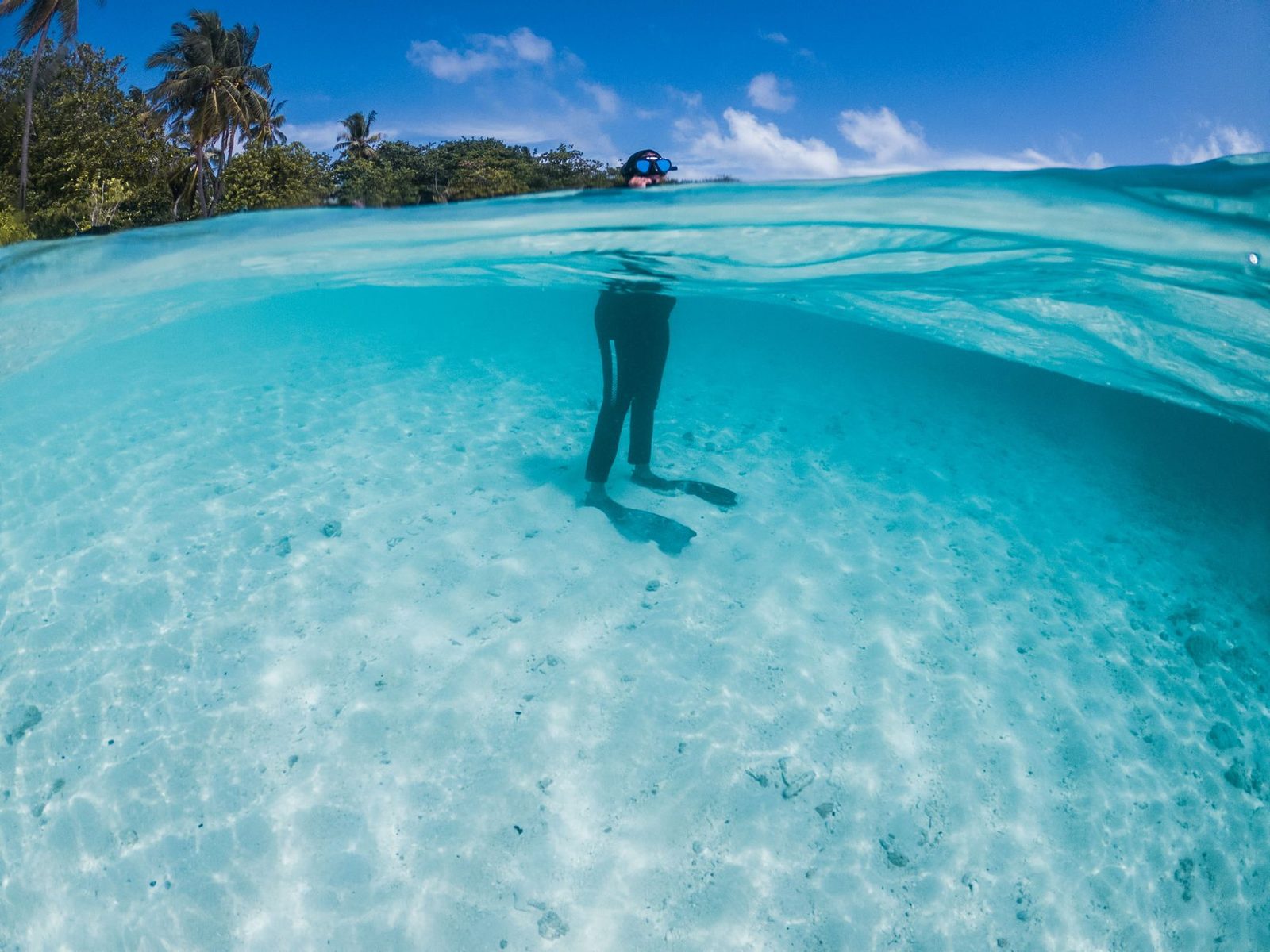
Short answer: can you dive after an IV drip? There is no simple yes or no. What matters most is why you needed the drip, what was in it, how you feel, and whether you are fit to dive. Before diving, ask the nurse and your dive operator, and follow DAN (Divers Alert Network) guidance and your own doctor’s advice.
Khao Lak is the gateway to the Similan and Surin Islands, so we meet a lot of divers. This guide explains, in plain English, how hydration relates to diving, what to think about before and after a drip, and when you should skip the dive and see a doctor instead.
Why hydration matters for scuba diving
Diving in the tropics dries you out more than people expect. You sweat on the boat and in your wetsuit, you breathe dry compressed air, and immersion in water makes you pass more urine. Add sun, sea-sickness, an early start and perhaps a few beers the night before, and it is easy to start a dive day short of fluid.
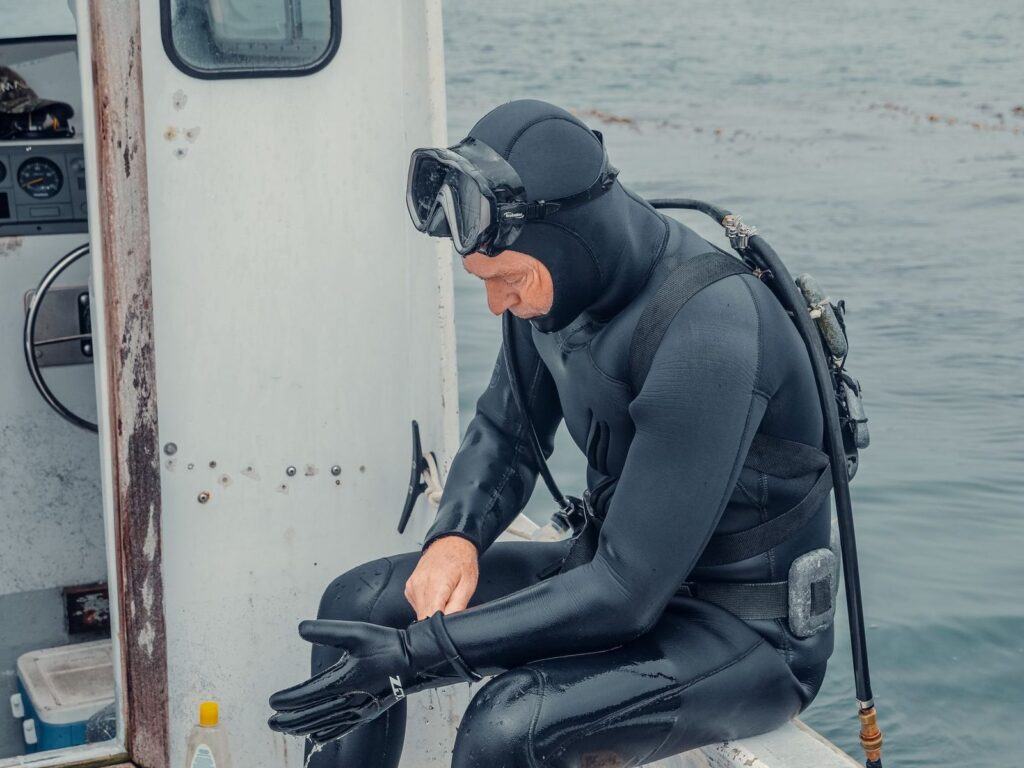
DAN Europe’s advice on hydration for divers describes dehydration as a contributing risk factor for decompression sickness (DCS), because less fluid in the blood may slow how efficiently your body clears nitrogen. Their practical tips include drinking steadily through the day rather than gulping a litre just before a dive, cutting back on alcohol and caffeine, staying out of the sun between dives and checking that your urine stays pale.
There is also an important balance. An article in DAN’s Alert Diver magazine on the many factors in decompression stress suggests the diving community has sometimes focused too much on dehydration, and that your dive profile, temperature and exertion matter more. It also notes that drinking too much fluid carries its own risks in diving. In other words: good hydration is sensible, but it is not a safety shield, and no drip makes an unsafe dive safe.
Why the reason for the drip matters more than the drip
Think of a drip as a clue rather than a fix. A diver who books a hydration drip after a long, hot afternoon by the pool is in a very different position from one who needed a drip because of a stomach bug, a migraine or a night of heavy drinking. In the second case, the illness or hangover itself may mean you shouldn’t dive yet, even if the drip has helped you feel better. Feeling better is not the same as being fit to dive, and a nurse’s screening is not a dive medical.
IV drip before diving
Some divers ask about an IV drip before diving, usually the evening before a liveaboard or an early boat to the Similans. A few points are worth thinking about.
- Ask yourself why you want it. If you feel fine and are drinking well, you probably don’t need a drip at all. Steady drinking through the day is what DAN recommends.
- If you feel unwell, that’s the real issue. Vomiting, diarrhoea, fever or a heavy hangover can all affect whether you are fit to dive, whatever a drip does for your fluid levels. Talk to your dive operator before you go.
- Tell the nurse you are diving. Some drips contain medicines, for example anti-nausea medicine, that could make you drowsy or mask symptoms. The nurse will take your dive plans into account during the health screening.
- Timing. We don’t give a general rule on how long to leave between a drip and a dive. Ask the nurse and your dive operator before you dive, and follow DAN guidance and medical advice for your situation.
IV drip after diving
Many divers come back from a day on the boat tired, sunburnt and thirsty. A hydration drip after diving may help you feel rehydrated faster, especially after a long day in the heat or a rough crossing. But there is one rule that comes before any drip.
If you have any symptom that could be decompression sickness, a drip is not the answer. Unusual tiredness, joint or muscle pain, a rash or skin itching, numbness or tingling, weakness, dizziness, headache, confusion or difficulty breathing after a dive all need urgent medical assessment. Tell your dive operator straight away, start oxygen if trained staff have it, call 1669, and contact DAN’s emergency hotline if you are a member. Specialist care for divers, including hyperbaric treatment, is arranged through doctors, not an IV drip service.
If our nurse sees anything during screening that suggests a diving injury, they will not start a drip and will help you get medical care instead.
Simple hydration tips for a dive trip in Khao Lak
For most divers, everyday habits do more than any drip. These tips follow DAN Europe’s general advice.
- Sip water regularly from the moment you wake up, rather than drinking a lot at once
- Go easy on alcohol the night before a dive day, and on strong coffee on the boat
- Keep your wetsuit off and stay in the shade until it’s time to kit up
- Wear sun protection, as sunburn adds to fluid loss
- Eat water-rich food such as fruit and soup, and don’t skip meals
- Check your urine colour: pale yellow is a good sign
If you are prone to sea-sickness, speak to a pharmacist or doctor well before the trip about suitable options for divers, as some sea-sickness tablets cause drowsiness.
Who has the final say
Your dive operator and your doctor do, not us. Dive centres in Khao Lak have their own policies on fitness to dive, and many will ask about recent illness or medication before you board. Be open with them about any drip you have had and why. If you have a medical condition, a doctor experienced in dive medicine is the right person to clear you. Our role is to give a safe, screened drip when it is appropriate, and to be honest when it isn’t.
When to see a doctor
Skip the drip and see a doctor, or call 1669 in an emergency, if:
- You have any possible symptom of decompression sickness or a lung injury after diving
- You have chest pain, difficulty breathing, confusion or have fainted
- You have been vomiting or had diarrhoea for more than a day, or have a high fever
- You show signs of heatstroke: hot skin that has stopped sweating, a racing heart or confusion
- You are pregnant, have a heart or kidney condition, or take regular medication and haven’t checked with your doctor
FAQs: diving and IV drips
Can you dive after an IV drip the same day?
We don’t give a general timing rule, because it depends on why you needed the drip and how you feel. Tell the nurse about your dive plans during screening, ask your dive operator before you dive, and follow DAN guidance and your doctor’s advice.
Will a drip lower my risk of decompression sickness?
We can’t claim that. DAN describes dehydration as a contributing factor, but dive profile, temperature and exertion matter more. Safe diving practice is what protects you, not a drip.
Is it safe to have a drip on a liveaboard?
Our nurses visit hotels, villas and homes on land in Khao Lak, not boats. If you are joining a liveaboard, any drip would need to be before you leave, and the timing should be discussed with the nurse and your operator.
What should I tell the nurse if I’m diving?
Tell them when you last dived and when you plan to dive next, how deep and how many dives, any symptoms since surfacing, and any medication, including sea-sickness tablets. The nurse uses this to decide whether a drip is appropriate.
A drip designed with divers in mind
If you are diving the Similans or Surin and want to rehydrate in your room after a long day on the water, read about our dive recovery IV drip in Khao Lak. A registered nurse screens you before every drip, uses sterile single-use equipment and stays with you until it is finished.
- WhatsApp +66 00 000 0000
- LINE @ivdripkhaolak
- Call +66 00 000 0000
- Email hello@ivdripkhaolak.com
- Hours Daily 08:00 – 22:00
Photo by Maahid Photos on Pexels